Industrial procurement teams evaluating sealing materials face a calculation that looks simple on the surface but carries significant hidden complexity. The purchase price of a roll of sealing tape is visible, easy to compare, and straightforward to optimize. The cost of a flange leak that forces a six-hour process shutdown, the labor cost of replacing a failed gasket in a confined space, the emergency maintenance call-out when a valve packing fails under pressure—none of these appear on the original purchase order, but they are real costs that accumulate directly from the decision to buy the cheapest available sealing material.
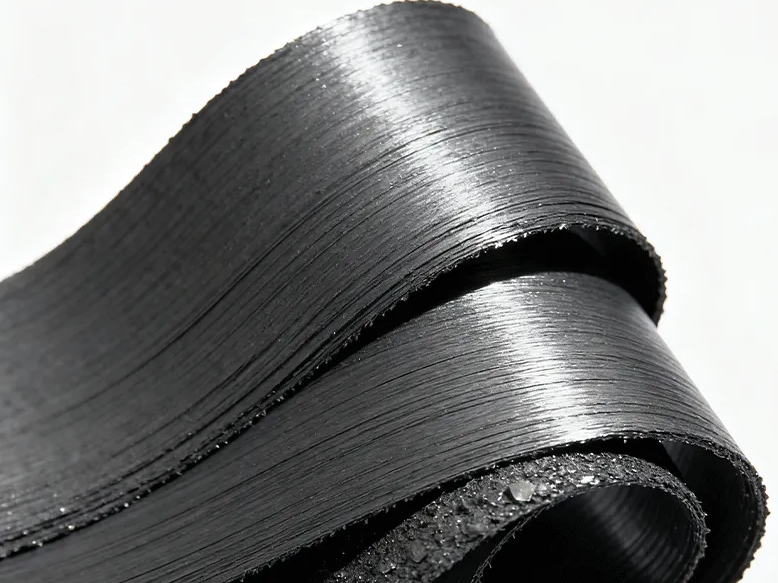
This is the total cost of ownership problem that makes graphite tape procurement a strategic decision rather than a commodity purchase. A low-cost packing material that fails after two thermal cycles, degrades in the presence of process chemicals, or requires skilled labor to install correctly does not save money—it defers cost into maintenance budgets, downtime events, and emergency repair labor that are harder to track but no less financially damaging. Mate Sealing's graphite packing tape, made from exfoliated graphite with 99.12% carbon content, 0.5mm ±0.02mm thickness tolerance, and 44.27% compressibility, is designed for the industrial environments where sealing failure is expensive: petrochemical plants, power generation systems, oil and gas processing, chemical production, and high-temperature pipeline maintenance.
The TCO argument for quality graphite tape begins with understanding where the hidden costs of inferior sealing materials actually accumulate—because they rarely appear on the procurement line item that buyers are optimizing.
The failure modes of low-grade sealing materials:
Thermal cycling degradation is one of the most common failure modes. Many ordinary packing materials lose their compression recovery after repeated heating and cooling cycles. A gasket that seals adequately at installation temperature may develop leakage paths after the first thermal cycle—requiring retightening, replacement, or emergency repair that was not budgeted in the maintenance schedule.
Chemical attack is the second major failure mode. Process environments in petrochemical, chemical, and power generation applications expose sealing materials to acids, alkalis, solvents, steam, and mixed chemical streams. Ordinary packing materials with limited chemical resistance degrade progressively in these environments, creating leakage that worsens over time rather than remaining stable.
Poor compression recovery is the third failure mode. A sealing material that compresses under bolt load but does not recover when the load relaxes—due to thermal expansion, vibration, or pressure cycling—loses its sealing force over time. The result is a gasket that appears correctly installed but develops leakage weeks or months after commissioning.
The TCO calculation framework:
TCO = Purchase Cost + Installation Labor + Downtime Cost + Leakage Loss + Replacement Frequency + Emergency Maintenance Cost
A premium graphite tape that costs more per roll but reduces replacement frequency by 50% and eliminates one unplanned shutdown per year delivers a strongly positive TCO outcome. The purchase price is the smallest variable in this equation for most industrial applications. Mate Sealing's graphite tape is available in different widths and thicknesses for custom gasket fabrication and on-site sealing repairs, reducing the inventory complexity of maintaining multiple sealing material SKUs for different joint geometries.
The performance advantages of graphite packing tape over ordinary sealing materials derive from the fundamental properties of exfoliated graphite—a material that combines exceptional thermal stability, broad chemical resistance, and mechanical conformability in a single flexible form.
The exfoliated graphite structure
Exfoliated graphite is produced by treating natural graphite flakes with intercalating agents and then rapidly heating them, causing the graphite layers to expand dramatically. The resulting material has a highly compressible, conformable structure that retains these properties when rolled into tape form. When compressed between sealing surfaces, the graphite conforms to the micro-geometry of the surfaces—filling scratches, waviness, and surface irregularities that would otherwise create leakage paths.
The temperature performance
Flexible graphite sealing materials can operate in non-oxidizing service from −240°C to 3,000°C—a temperature range that covers virtually every industrial process application. In oxidizing atmospheres, the upper temperature limit is lower (typically 450–500°C for air service), but this still covers the majority of industrial sealing applications. This thermal range is fundamentally different from organic packing materials, which have upper temperature limits of 200–300°C and degrade irreversibly above those temperatures.
The chemical resistance
Graphite is chemically inert to the vast majority of industrial process chemicals, including acids, alkalis, solvents, hydrocarbons, and steam. The pH range for flexible graphite sealing is 0–14, with the exception of strong oxidizing acids that attack the graphite structure. This broad chemical resistance means that a single graphite tape specification can cover multiple process streams in a plant, reducing the inventory complexity of maintaining different sealing materials for different chemical services.
The installation advantage
Graphite tape can be wrapped directly onto valve stems, wound around irregular gasket profiles, or applied to flange faces without cutting or shaping tools. This wrapping and forming capability reduces installation time, minimizes material waste, and allows on-site emergency repairs that would not be possible with rigid gasket materials.
Industrial procurement of graphite tape requires evaluating material quality parameters that directly determine sealing performance—not only price per roll and roll dimensions.
Mate Sealing Inspection Data
| Specification | Mate Sealing Value | Performance Relevance |
|---|---|---|
| Carbon content | 99.12% | Higher purity improves thermal and chemical resistance |
| Thickness tolerance | 0.5mm ±0.02mm | Tight tolerance ensures consistent compression behavior |
| Density tolerance | 1.0 ±0.05 g/cm³ | Stable density supports predictable sealing force |
| Tensile strength | 4.653 MPa | Structural integrity during installation and service |
| Compressibility | 44.27% | Ability to conform to sealing surface irregularities |
| Resilience | 14.39% | Recovery after compression—maintains sealing force over time |
Complete Buyer Specification Checklist
Material type: confirm exfoliated graphite, not graphite-filled composite or graphite-coated material.
Carbon purity: higher carbon content above 98% indicates lower impurity levels that could cause corrosion in sensitive systems.
Sulfur content: low sulfur is important for applications involving stainless steel or nickel alloys where sulfur-induced stress corrosion cracking is a concern.
Chloride content: low chloride is important for austenitic stainless steel applications.
Thickness and width: confirm against the specific gasket geometry or joint dimensions. Mate Sealing offers custom width and thickness options.
Adhesive backing: self-adhesive backing simplifies installation on flat surfaces; non-adhesive is preferred for wound or wrapped applications.
Operating environment: temperature, pressure, medium, pH, and atmosphere (oxidizing or non-oxidizing) determine whether the standard specification is appropriate.
Petrochemical Plants
Flanges, valves, reactors, heat exchangers, and high-temperature pipelines in petrochemical service combine high temperature, high pressure, and chemically aggressive process streams. Sealing failures in these environments create safety risks, environmental incidents, and production losses that are disproportionately expensive relative to the cost of the sealing material. High-purity graphite tape with low sulfur and chloride content is the appropriate specification for stainless steel and alloy equipment in these applications.
Power Generation
Steam systems, boilers, turbines, and high-temperature sealing points in power generation operate at temperatures and pressures that eliminate most organic sealing materials from consideration. Graphite tape's thermal stability across the full steam temperature range—from low-pressure steam at 150°C to high-pressure superheated steam at 550°C and above—makes it the standard sealing material for these applications.
Oil and Gas Processing
Sealing applications in oil and gas processing are exposed to hydrocarbons, hydrogen sulfide, carbon dioxide, and mixed process streams at elevated temperatures and pressures. Graphite tape's chemical resistance to hydrocarbons and its thermal stability under process conditions make it a reliable sealing material for this service environment.
Chemical Production
Acid, alkali, solvent, and mixed chemical service in chemical plants requires sealing materials that maintain their integrity across the full pH range of the process streams. Graphite tape's pH 0–14 chemical resistance covers the majority of chemical plant sealing applications from a single material specification.
Gasket Manufacturing and On-Site Repair
Graphite tape is widely used in gasket manufacturing as a filler material for spiral wound gaskets, as a facing material for metallic gaskets, and as a standalone gasket material for custom fabrication. Its wrapping and forming capability also makes it the preferred material for on-site emergency sealing repairs where a replacement gasket is not immediately available—reducing the downtime associated with waiting for a custom gasket to be manufactured.
Why Asbestos Has Been Replaced
Asbestos-based sealing materials were widely used in industrial applications for decades because of their thermal stability and chemical resistance. However, asbestos is now subject to strict regulatory restrictions or outright bans in most major industrial markets due to its carcinogenic properties. Flexible graphite vs asbestos is no longer a performance comparison—it is a regulatory compliance issue. Flexible graphite provides equivalent or superior thermal and chemical performance without the health, safety, and regulatory risks associated with asbestos, making it the standard replacement material for asbestos-containing gaskets and packing in industrial maintenance programs.
Flexible Graphite vs Ordinary Packing: Performance and TCO Comparison
| Comparison Factor | Ordinary Packing | Quality Graphite Tape |
|---|---|---|
| Initial cost | Lower | Higher |
| Temperature range | Limited, typically below 300°C | Excellent, non-oxidizing: −240°C to 3,000°C |
| Chemical resistance | Medium or variable | Broad, pH 0–14 excluding strong oxidizers |
| Thermal cycling stability | Degrades over cycles | Maintains sealing force through cycling |
| Installation | May require cutting or shaping | Can be wrapped and formed directly |
| Maintenance frequency | Higher | Lower |
| Leakage risk | Higher under harsh service | Lower when correctly selected |
| TCO | Often higher over time | Lower through reduced downtime and replacement |
The TCO Payback Calculation
For a plant with 500 flanged joints in high-temperature service, the difference between a sealing material that requires replacement every 12 months and one that lasts 36 months represents 1,000 fewer gasket replacement events over a 3-year period. At a conservative estimate of 2 hours of maintenance labor per gasket replacement—including isolation, depressurization, disassembly, replacement, reassembly, and recommissioning—this represents 2,000 hours of maintenance labor saved, before accounting for any unplanned downtime events prevented by better sealing reliability.
Even if premium graphite tape costs three times as much per roll as ordinary packing, the labor saving alone typically justifies the premium within the first replacement cycle. Add the value of prevented downtime events—where a single 6-hour unplanned shutdown in a continuous process plant can cost tens of thousands of dollars in lost production—and the TCO advantage of quality graphite tape becomes compelling for any plant where maintenance labor and production continuity have measurable financial value.
The lowest sealing material price is not the lowest sealing cost. High-quality graphite tape with 99.12% carbon content, tight dimensional tolerances, broad chemical resistance across pH 0–14, and thermal stability from −240°C to 3,000°C in non-oxidizing service helps industrial buyers reduce leakage, extend maintenance intervals, speed up installation, and lower the total cost of ownership across petrochemical, power generation, oil and gas, chemical, and industrial maintenance applications. Mate Sealing's graphite packing tape provides inspection-supported specifications, custom width and thickness options, and wholesale supply capability for gasket manufacturers, maintenance teams, and industrial plants seeking better sealing reliability and lower lifecycle cost.
Visit the Mate Sealing Graphite Tape product page to request a recommended configuration and quotation.
Please submit the following details for an accurate recommendation:
Work condition: Operating temperature, pressure, process medium, pH, oxidizing or non-oxidizing atmosphere, flange or valve type, equipment material
Quantity: Sample roll, trial order, bulk order, or annual procurement plan
Size/spec: Thickness, width, density, adhesive or non-adhesive backing, roll length, carbon content requirement, sulfur or chloride content limit
Target metrics: Leakage reduction target, maintenance interval improvement, installation speed, high-temperature resistance requirement, chemical resistance requirement
Current problems: Frequent gasket failure, leakage after thermal cycling, high downtime cost, difficult installation, ordinary packing degradation, asbestos replacement requirement
1. What is graphite tape?
A flexible sealing material made from exfoliated graphite, used for gasket fabrication, flange sealing, packing applications, and on-site repair in high-temperature and chemically demanding environments. Mate Sealing's graphite tape is available in custom widths and thicknesses with 99.12% carbon content and inspection-documented specifications for industrial procurement.
2. Graphite tape vs. ordinary packing: which is better?
Ordinary packing may be cheaper initially, but graphite packing tape performs significantly better in high-temperature, high-pressure, and chemically aggressive applications. It maintains sealing force through thermal cycling, resists chemical attack across pH 0–14, and can be wrapped and formed directly on-site without cutting tools—reducing installation time and material waste. The TCO of quality graphite tape is typically lower than ordinary packing when maintenance labor, downtime, and replacement frequency are included in the calculation.
3. What is the ROI of investing in quality graphite tape?
ROI comes from fewer leaks, longer maintenance intervals, reduced shutdown time, lower labor cost, less emergency repair, and improved sealing reliability in critical equipment. For plants with high-temperature or chemically aggressive service conditions, the payback on premium graphite tape versus ordinary packing is typically achieved within the first replacement cycle.
4. Does graphite tape require equipment modification?
No. Graphite tape can be applied directly to existing sealing surfaces, flanges, valves, or gasket structures without equipment modification. Buyers should confirm dimensions, surface condition, compression load, and operating environment before use to ensure the correct specification is selected for the application.
5. What parameters are needed for correct selection and quotation?
Operating temperature, pressure, process medium, pH, oxidizing or non-oxidizing atmosphere, flange or equipment type, equipment material, tape thickness and width, density requirement, adhesive or non-adhesive backing, roll length, carbon content requirement, sulfur or chloride content limit, order quantity, and current sealing failure symptoms such as leakage after thermal cycling, gasket degradation, or asbestos replacement requirement.