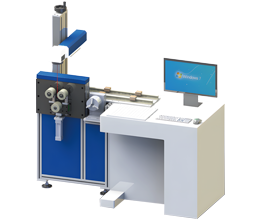
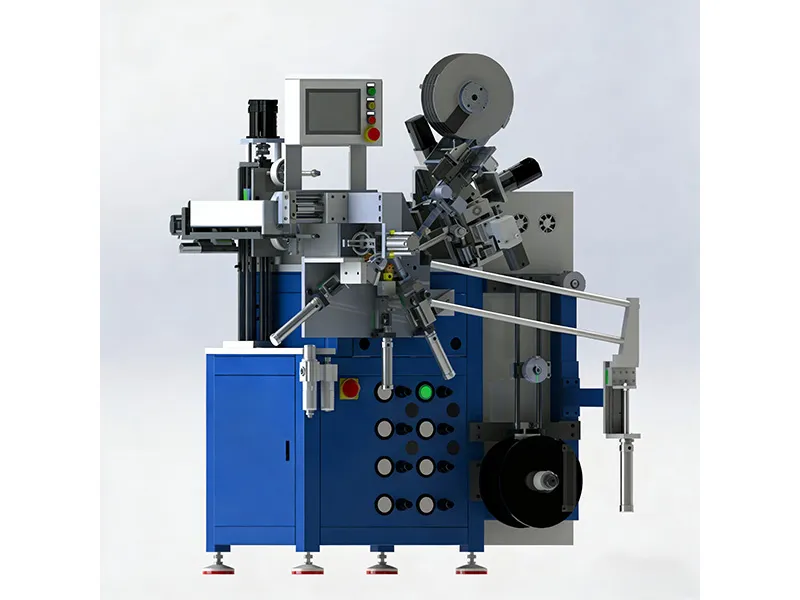
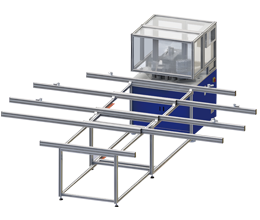
Kammprofile gaskets represent one of the most sophisticated sealing technologies in modern manufacturing, and the machines that produce them are equally advanced. If you’re operating in oil and gas, chemical processing, power generation, or aerospace sectors, understanding kammprofile technology and the machines that manufacture these gaskets is essential to maintaining operational integrity and regulatory compliance.
A kammprofile gasket is a composite sealing element consisting of a precision-machined metal core with a serrated (grooved) profile, topped with a soft non-metallic facing material. This unique design creates multiple concentric sealing lines when compressed, enabling exceptional sealing performance under extreme conditions .
Pressure Capability: Withstands pressures from full vacuum to 400 bar (5,800 PSI)
Temperature Range: Operates effectively at temperatures exceeding 550°C (1,022°F), depending on facing material selection
Sealing Mechanism: Serrations focus gasket stress onto the facing layer, which deforms into grooves to create multiple concentric sealing lines
Load Tolerance: Handles large bolt loads and vibration-induced stresses that would compromise traditional gaskets
The kammprofile design fundamentally differs from spiral-wound gaskets. While spiral-wound designs distribute compression between metal and filler layers, kammprofile designs concentrate compressive force on the facing material, resulting in a more controlled, predictable sealing response .
The kammprofile gasket segment is experiencing accelerating adoption across critical industries:
Oil and Gas Industry: Petrochemical pipelines, refineries, and downstream processing facilities represent the largest market segment for kammprofile gaskets. These applications demand reliable sealing under cyclic pressure and temperature variations, where traditional gaskets would fail .
Power Generation: Nuclear facilities, thermal power plants, and renewable energy installations rely on kammprofile gaskets for steam systems, cooling circuits, and pressurized equipment .
Chemical Processing: Highly corrosive fluid joints and reactive chemical environments require gaskets that maintain integrity over extended operational lifespans. Kammprofile gaskets excel in these applications due to their material flexibility and recyclability .
Aerospace and Defense: Extreme pressure and temperature cycling in aircraft engines and defense systems demand the precision and reliability that only kammprofile gaskets deliver .
Modern kammprofile machines employ sophisticated manufacturing processes that directly impact gasket performance:
The foundation of kammprofile gasket quality lies in the metal core machining process. Advanced machines use CNC-controlled cutting tools to create the precise serrated profile that defines the gasket’s sealing characteristics. The machine must maintain tolerances within fractions of a millimeter to ensure consistent performance across all gaskets produced.
Once the metal core is profiled, the machine applies soft facing material (typically PTFE, graphite, or composite materials) to the raised sections of the serrated profile. This process requires precision dispensing systems that bond the facing material without voids or inconsistencies.
The machine cuts the completed gasket to required shape and size with precision that directly impacts flange compatibility and sealing effectiveness. Modern machines integrate real-time quality monitoring systems that verify dimensions, material thickness, and facing adhesion before gaskets leave the production line.
Advanced kammprofile machine accommodates various gasket sizes (from small valves to large industrial flanges) and custom configurations (with or without outer rings, different facing materials, etc.). This flexibility enables manufacturers to serve diverse customer requirements without maintaining separate production lines.
Understanding the competitive advantages of kammprofile technology helps explain the growing demand for kammprofile machines:
Kammprofile gaskets maintain effective seals under pressure and temperature combinations that would compromise spiral-wound or flat gaskets. The serrated design creates multiple sealing surfaces, providing redundancy and reliability .
Unlike some gasket types that require perfectly smooth flange surfaces, kammprofile gaskets tolerate minor surface irregularities. The facing material deforms into grooves, accommodating imperfect surfaces and still maintaining effective seals .
The reliability of kammprofile gaskets translates to extended operational intervals and fewer emergency replacements. This reduces maintenance costs and production downtime—critical factors in process industries where unexpected shutdowns cost thousands of dollars per hour.
Kammprofile gaskets seal more effectively against volatile emissions compared to some alternatives, making them preferred for applications with environmental compliance requirements .
While kammprofile gaskets command a premium price compared to basic flat gaskets, their extended service life and reduced replacement frequency deliver superior lifetime value.
When evaluating kammprofile machines, understand these key specifications:
Diameter Range: ½" to 30" (and custom sizes available)
Thickness: Precision machining to ±0.1mm tolerances
Profile Depth: Customizable based on application requirements
Material Compatibility: Carbon steel, stainless steel, alloy steels
PTFE (Teflon) for chemical resistance and low friction
Graphite for thermal applications and high-temperature sealing
Composite materials for balanced performance across temperature ranges
Elastomer coatings for specific fluid compatibility
Modern machines range from semi-automatic units producing 50-100 gaskets per shift to fully automatic systems capable of 500+ gaskets daily, depending on gasket complexity and size.
Leading-edge kammprofile machines now incorporate Industry 4.0 technologies that enhance quality, efficiency, and predictive maintenance:
Networked sensors track machining parameters, material properties, and quality metrics throughout production. Any deviation from specifications triggers immediate alerts, enabling operators to intervene before defects occur .
Machine learning algorithms analyze operational data to predict component wear and maintenance needs before failures occur. This reduces unexpected downtime and extends equipment lifespan .
Production data is continuously logged and analyzed, enabling traceability, compliance documentation, and continuous process improvement .
Industry 4.0-enabled machines support rapid reprogramming for different gasket specifications, enabling manufacturers to respond quickly to customer demands without extended setup times .
Understanding the performance differences between these two dominant gasket types helps clarify when kammprofile machines represent the optimal investment:
| Performance Factor | Kammprofile | Spiral-Wound Machine |
|---|---|---|
| Sealing Mechanism | Concentrated deformation in facing layer; multiple sealing lines | Distributed compression between metal and filler |
| Pressure Capability | Up to 400 bar (excellent) | Excellent (comparable) |
| Temperature Range | 550°C+ (superior) | Good but lower thermal limits |
| Surface Tolerance | High tolerance for imperfect flanges | Lower tolerance for surface defects |
| Vibration Resistance | Excellent (rigid core) | Good (metal provides support) |
| Volatile Emissions Sealing | Superior | Good but higher leak potential |
| Installation Robustness | More tolerant to mechanical damage | Facing layer more vulnerable |
| Cost | Premium | Standard |
Critical evaluation criteria for kammprofile machine selection:
Evaluate the supplier's track record in developing advanced kammprofile technology. Leading suppliers invest 4%+ of revenue in R&D, ensuring continuous innovation and performance improvement .
Kammprofile machines are sophisticated equipment requiring expert technical support. Verify that suppliers maintain service centers and spare parts availability in regions where you operate.
Ensure machines comply with international standards and can produce gaskets meeting ASME B16.20 and other critical specifications.
Different industries require different gasket specifications. Select suppliers like SZMATE offering customization options and capable of supporting your specific application requirements.
Modern machines should feature connectivity, data analytics, and predictive maintenance capabilities that align with your digital transformation roadmap .