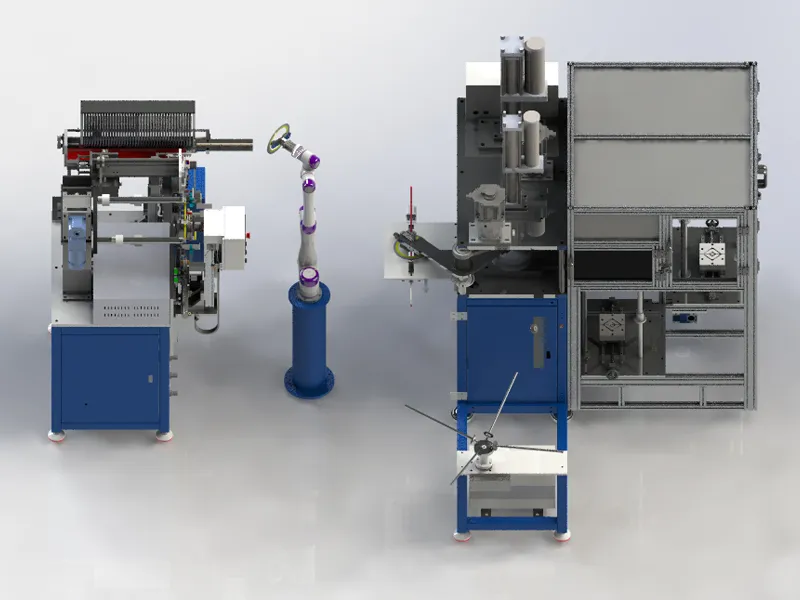
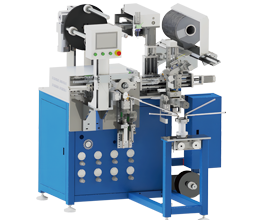
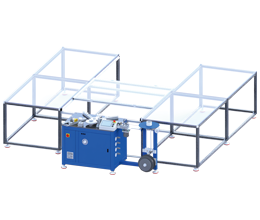
In industrial gasket production, efficiency, precision, and consistency are critical for meeting stringent sealing requirements. A spiral wound machine plays a pivotal role in creating high-quality spiral wound gaskets, which are essential for applications in petrochemical, oil and gas, and power generation industries. Optimizing the performance of these machines ensures not only faster production rates but also enhanced product reliability, longevity, and adherence to safety standards. By focusing on operational best practices, maintenance routines, and material handling strategies, manufacturers can achieve superior output and minimize downtime.
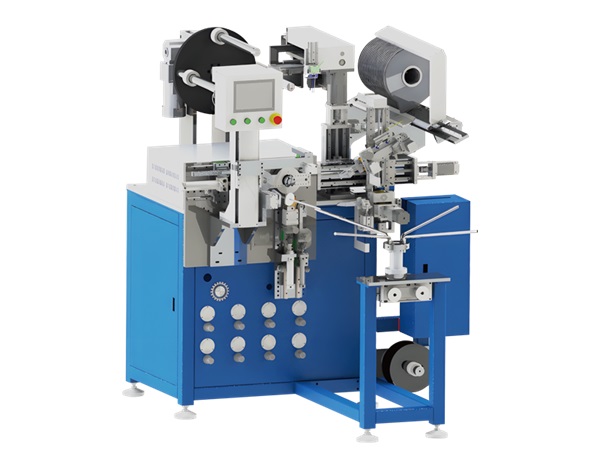
A spiral wound machine achieves optimal efficiency when its workflow and automation are fully leveraged. Properly configuring the machine for the specific material types and gasket dimensions is essential. Ensuring that the mandrels, winding tension, and sealing components are accurately aligned reduces inconsistencies and material waste. Automation settings such as feeding speed, spiral layering patterns, and compression pressure must be adjusted according to the gasket specifications. Consistently monitoring these parameters allows operators to maintain smooth operation and high throughput. Efficient machine operation also minimizes the risk of defective gaskets, which can compromise industrial sealing performance.
What strategies ensure consistent gasket quality when using a spiral wound machine? Material preparation is the foundation. Selecting high-grade metal strips and filler materials, inspecting them for uniformity, and keeping them clean and free from moisture or debris reduces defects. This discipline is equally important when operating a gasket machine for sale, where material quality directly impacts output. The machine itself should be routinely calibrated to maintain precise winding pressure and alignment. Periodic inspection of critical components, such as mandrels, rollers, and compression devices, prevents deviations that could lead to imperfect sealing surfaces. By combining proper material handling with careful machine calibration, manufacturers can produce gaskets that meet rigorous specifications and maintain high performance in demanding environments.
Versatility is a hallmark of modern spiral wound machines. Different sealing applications require varying combinations of metals and filler materials, such as graphite, PTFE, or stainless steel. Each material has unique characteristics that affect winding tension, compression, and flexibility. Adjusting machine settings to accommodate these properties ensures proper layer adhesion, prevents distortion, and maintains the mechanical strength of the gasket. Additionally, operators should account for temperature and chemical resistance requirements, particularly for gaskets destined for high-pressure, high-temperature, or corrosive environments. Proper adaptation enhances the overall durability and reliability of the produced gaskets.
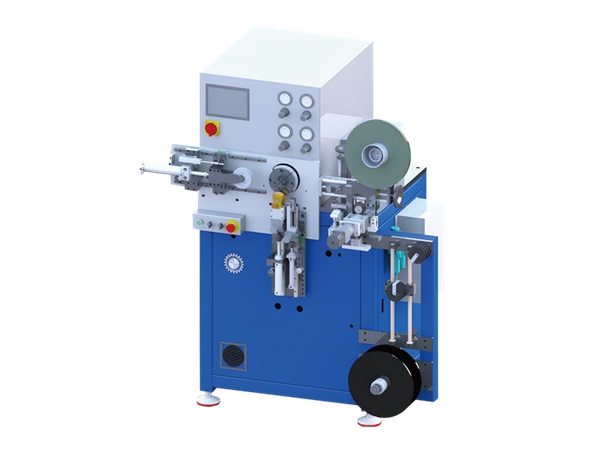
Routine maintenance and operational discipline are crucial for prolonging the life of a spiral wound machine. Regular lubrication, inspection, and replacement of wear-prone parts help prevent unexpected breakdowns. Scheduling preventive maintenance reduces unscheduled downtime and keeps production on track. Additionally, training operators to follow best practices in material feeding, alignment, and tension control ensures that each production cycle runs smoothly. A well-maintained machine not only produces high-quality gaskets consistently but also reduces operational interruptions, contributing to higher overall productivity and lower risk of production delays.
Modern spiral wound machines often integrate advanced control systems and digital monitoring to enhance precision and reproducibility. Operators can use sensors, programmable logic controllers, and data feedback systems to adjust winding speed, pressure, and layer consistency in real time. By leveraging technology, manufacturers can standardize production across shifts, reduce human error, and maintain optimal performance under varying operational conditions. This combination of automation and expert handling ensures that spiral wound machines consistently deliver high-quality gaskets suitable for critical industrial applications.
Optimizing spiral wound machine performance involves careful attention to machine setup, material handling, maintenance, and technological integration. By adhering to these best practices, manufacturers can achieve high efficiency, consistent quality, and long-term reliability, ensuring that spiral wound gaskets meet the exacting demands of modern industrial sealing applications.