In modern industrial applications, achieving precision, efficiency, and reliability in welding is critical for both structural integrity and production performance. A pulse argon arc welder provides a sophisticated solution for meeting these demands, especially in industries that require high-quality metal joints. By controlling the welding arc through pulse technology, these machines allow operators to achieve superior weld penetration, minimal heat distortion, and consistent results across various materials and thicknesses. Understanding the advantages of pulse argon arc welding machines helps industries optimize production processes while maintaining safety and quality standards.
A pulse argon arc welder achieves exceptional precision by controlling the arc current through rapid pulses, which allows for better heat input management and uniform weld bead formation. This technology is particularly useful for thin materials or projects where distortion can compromise structural integrity. The pulsing mechanism reduces the heat-affected zone, which not only minimizes warping but also preserves the mechanical properties of the base metal. With precise control over arc duration and intensity, operators can produce highly accurate welds that are consistent across large production volumes, making the pulse argon arc welder an indispensable tool for industries demanding meticulous quality standards.
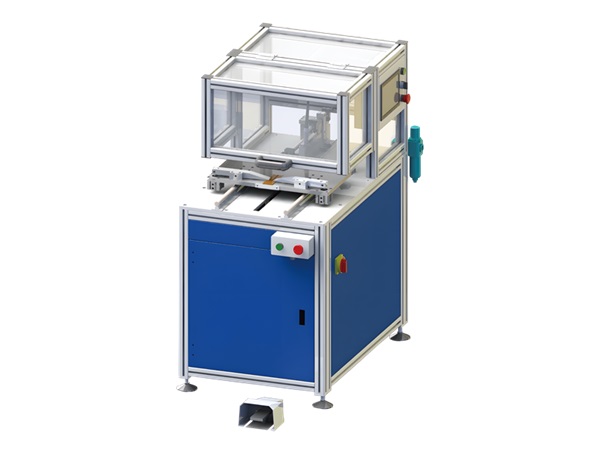
What sets a pulse argon arc welder apart in modern industrial applications is its adaptability to different materials and welding conditions. These machines excel in handling metals such as stainless steel, aluminum, and exotic alloys, which often require careful heat management to prevent structural defects. By adjusting pulse frequency, duration, and current, operators can optimize weld penetration while avoiding excessive heat buildup, a principle equally vital in controlling the forming process of a ring forming machine. This versatility ensures that each weld meets the stringent requirements of high-performance applications, whether in pipelines, automotive components, or precision-engineered metal assemblies. The ability to consistently produce strong, clean, and precise welds significantly enhances both product reliability and operational efficiency.
Modern pulse argon arc welders are designed to accommodate a wide range of metals and thicknesses, providing flexibility for diverse industrial projects. The precise control of arc pulses allows operators to tailor the welding process to the specific material properties, such as thermal conductivity, melting point, and surface finish, similar to the precision layer control in a spiral wound machine. This adaptability reduces the likelihood of weld defects such as porosity, cracking, or burn-through, which are common challenges when working with thin or sensitive metals. Proper material adaptation combined with advanced pulse control ensures optimal fusion and long-lasting weld performance, making these machines highly valuable in applications where material integrity is critical.
Using a pulse argon arc welder improves operational efficiency by reducing rework and minimizing welding-related errors. The controlled pulse process enables faster travel speeds without sacrificing weld quality, allowing industries to achieve higher throughput. Additionally, the repeatable nature of pulsed welding ensures consistent quality across multiple production runs, which is essential for meeting regulatory and safety standards, a benefit also offered by a reliable gasket machine for sale. Reliability is further enhanced through advanced machine design, digital controls, and monitoring systems that maintain stable performance even during prolonged use. These features collectively support streamlined production workflows and reduce downtime, making the pulse argon arc welder a highly efficient and dependable choice for modern industry.
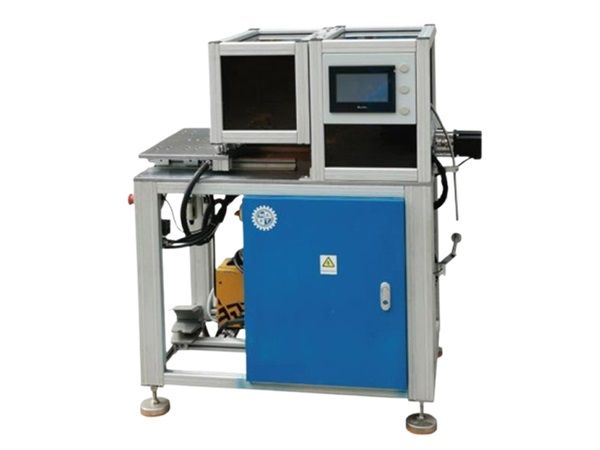
The integration of digital technology and automation in pulse argon arc welding machines enhances precision, reproducibility, and overall performance. Modern machines often feature programmable pulse settings, real-time monitoring, and automated adjustments to maintain optimal arc stability. These capabilities allow operators to achieve consistent weld quality even under varying environmental or material conditions. By leveraging these technological advantages, industries can improve productivity, reduce human error, and maintain the highest welding standards across complex and critical applications. The combination of pulse control and advanced automation makes these machines a cornerstone of modern precision welding.
In conclusion, pulse argon arc welders offer significant advantages in modern industrial settings, including precision, material adaptability, operational efficiency, and integration with advanced control technologies. By utilizing these machines effectively, manufacturers can achieve superior weld quality, ensure consistent performance, and meet the rigorous demands of high-performance applications across multiple industries.